
Restricted content
Restricted content
Restricted content
Emissions from WISP Wireless
Now and then the issue arises of possible harmless effects from various radio devices especially cell phone towers and handsets.
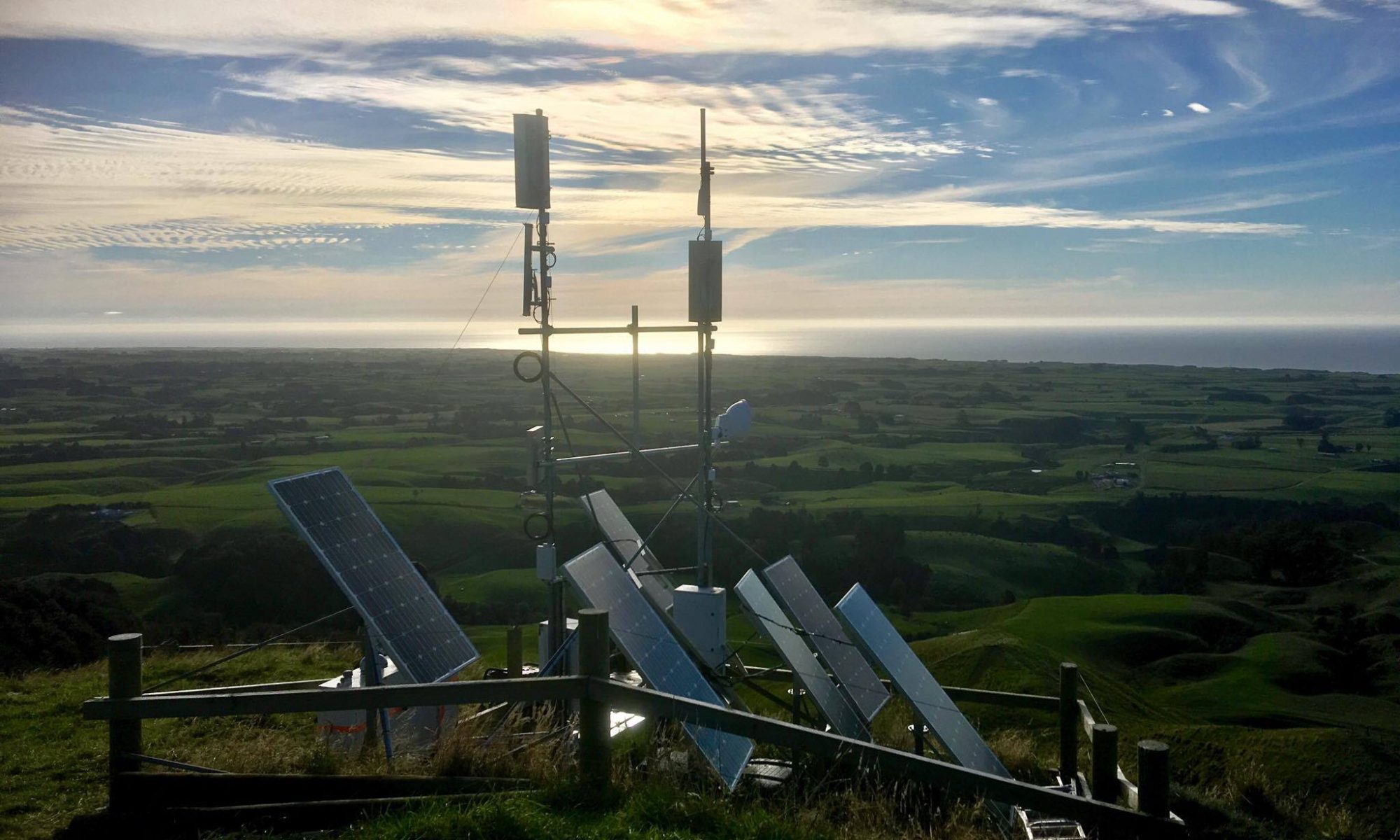
The form of wireless that WISPs use, generally known as “WISP wireless”, is more technically known as DMR or Digital Mobile Radio.
Wikipedia has this summary of the emissions argument. Or for more specific material about DMR see here. The US Food and Drug Administration has also described the risk of cancer from cellphones as “small.”
The Little Kiwi, The Treaty, And The Motu Cycle Trails
Evolution Networks – a WISP Profile by Ernie Newman.
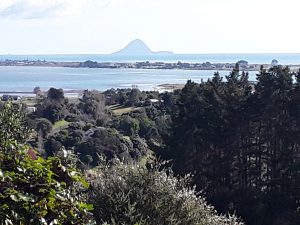
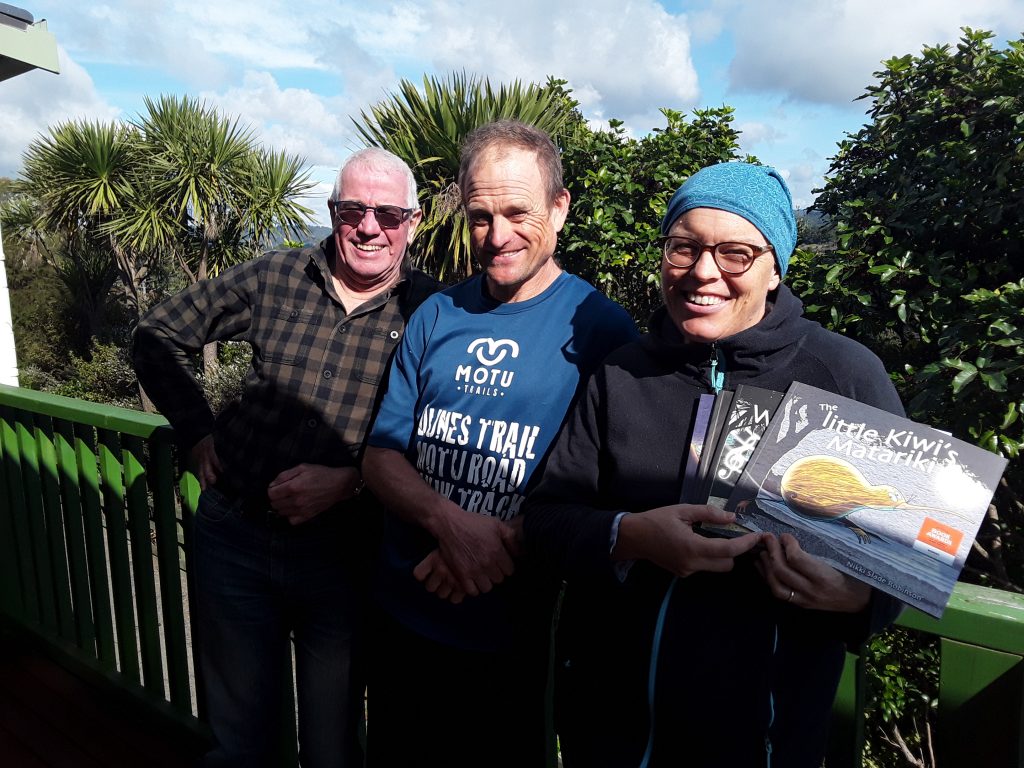
There can be few nicer places to wake up each morning than high on a ridge overlooking the eastern Bay of Plenty’s unspoilt Ohiwa Inlet. Children’s writer and illustrator Nikki Slade Robinson – famous for “The Little Kiwi’s Matariki” – lives in that idyllic spot with husband Jim who helps front the nearby Motu Trails – one of Great Rides on The New Zealand Cycle Trail.
The availability of city-grade Internet through local WISP Evolution Networks has given the Robinsons the best of both worlds – a city grade online working environment and a country lifestyle. And Evolution’s partnership with CIP in the RBI2 project is extending similar coverage to more rural people in the Opotiki, East Cape and Bay of Plenty regions every week.
Evolution is a young WISP dating back to 2015 when the government was promoting digital development plans among district councils. Tauranga-based IT service company Stratus Blue came up with the idea, and the Opotiki District Council swung behind as a financial partner. Over time CIP recognised the work of Evolution in expanding its network to unserved areas, and supported it to expand and upgrade its services.
Nikki is a huge supporter of Evolution. “We were one of their first customers in 2015 – I met them at a public meeting in Ohiwa. Since we signed up 4 years ago we’ve only had one brief outage during a big storm. It’s great that I can now send my writing and illustrations over the Internet just as though I was in the middle of Auckland.”
Husband Jim is equally enthusiastic. “The change to Evolution was overwhelming. Before they came we relied on copper lines, with constant dropouts. These days I’m constantly sending big batches of photos showcasing the Trails with never an issue. There’s no way I could have done that before – you could never send emails over little more than a MB or so at a time. I used to drive into Opotiki (about 30km) and go online.”
Jim’s even joined video conferences from home involving lecturers and students from multiple locations and says apart from minor variation at peak times, Evolution’s service has never missed a beat.
Evolution’s Mark Simpson has come to know the Robinsons well. Mark was working for Stratus Blue when it saw the opportunity to get into the WISP market. Having spearheaded the growth, he has come to know most of the customers along the way but with rapid growth through about the 300 mark he confesses this is becoming more of a challenge.
The territory is challenging for a WISP. Mark covers a huge mileage every week rolling out new towers, upgrading existing ones and connecting new customers from his base in Tauranga north to Te Kaha and Waihau Bay, and south to Kawerau. One of the upgrades at Kohi Point, funded by CIP, will improve the Robinsons’ service even further.
“We’ve got at least half the homes in Ohiwa as customers now, including one who is a software developer running a server there,” Mark says.
One aspiration Evolution shares with the Motu Trails Charitable Trust is a series of wireless hot spots along the Pakihi Track, which is the most rugged of the group of trails. With that ruggedness come safety issues and a network of hot spots would make a big contribution to making this a safe place for adventurous cyclists, runners and hikers.
Mark and I leave the hospitable Robinsons to cross a couple of valleys where we stop to visit farming brothers Chris and Richard Evans. Their hilly property is inland from the Ohiwa Inlet – near the centre of a triangle bounded by Whakatane, Opotiki and Taneatua. Its rugged and challenging country. Mark Simpson knows the farm well having just completed building a new tower there under the RBI2 programme.
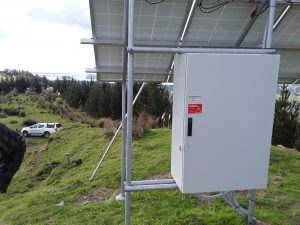
Chris and Richard are modern farmers who fully get the role of IT in agriculture. “Everything on the farm relies on the Web,” Chris tells me. “The new tower gets Internet into what has been an absolute blind spot – we had Farmside (satellite) before but it was expensive and very unreliable.”
The farm uses numerous Web-based services including the FarmIQ package. Their teenage families use it for school and university study. There’s lots of video used – the brothers are very confident it will work well for the Rugby World Cup with an impressive and very reliable 50-60Mbps downstream connection.
One immediate concern is farm security. Poaching is an increasing issue across the Eastern Bay of Plenty and in many other rural areas. With video cameras incorporating number plate recognition technology it has become far easier to intercept unwelcome visitors, or follow up afterwards with hard evidence of the visit, and the Evans farm is well up with those opportunities.
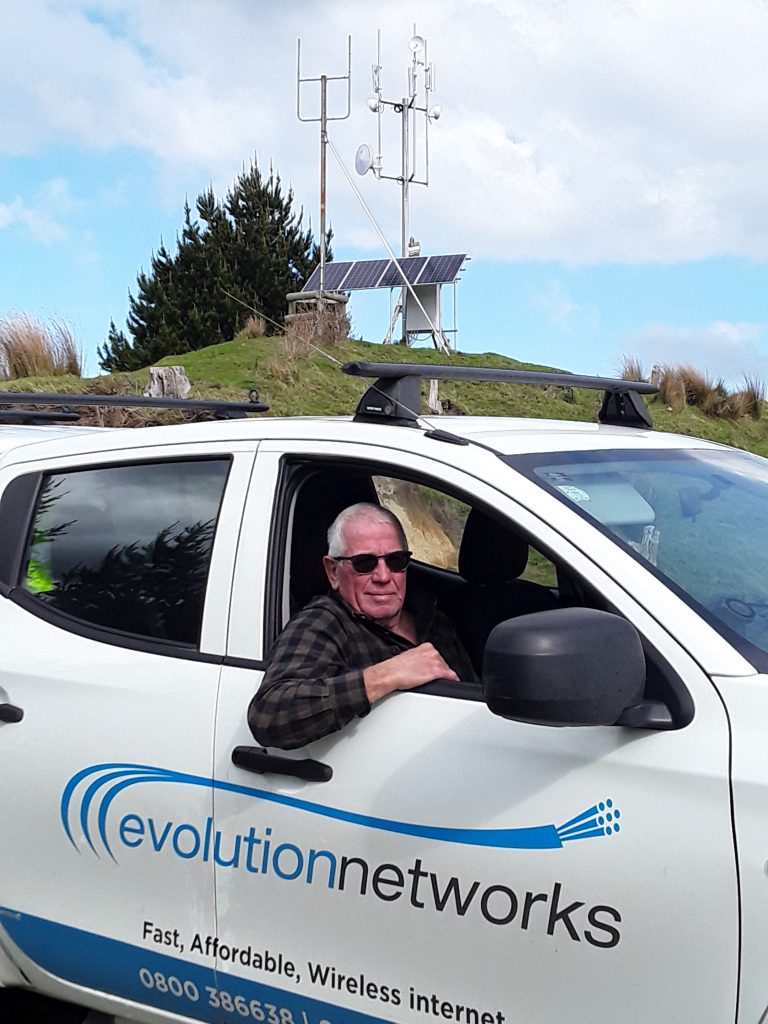
Driving back to base in Tauranga I comment to Mark that his customers seem almost like personal friends. He laughs – but he’s a guy who obviously loves his work and enjoys the people contact. WISPs show that smaller, local businesses have an edge even in the world’s fastest-moving industry.
Evolution Networks
Calf Club Days The Key To Marketing Connecta
Connecta – A WISP profile by Ernie Newman
“It’s all about local knowledge – name a street anywhere in South Auckland and our installers can tell you all about the coverage available.”
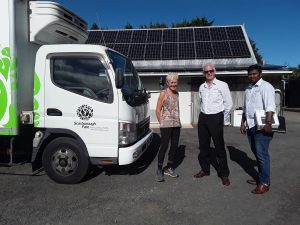
So says the affable Peter Mancer, General Manager of Connecta, as we sip coffee in a Pukekohe café. He and colleague Abilash Thangavel don’t look like the archetypal WISP – crisp white shirts reflect the peri-urban demographics of the Counties-Franklin area where they operate. Connecta feels like an apt name – you can catch a suburban train from Pukekohe to Auckland every hour, yet its marketing, like many WISPs, is focused on the traditional school calf club days.
Connecta’s had a lot of history. Way back in 2002 it started off as Wired Country, a fibre-focused subsidiary of Franklin electricity lines company Counties Power. Some truly futuristic thinking led to Pukekohe High School becoming New Zealand’s first fibred school and the lines company embracing telecommunications.
Wired Country grew rapidly in several parts of the country – Christchurch, Queenstown, Nelson and almost Northland. Many resellers were involved in marketing the service, including Watchdog where Peter – an industry veteran – worked at the time reselling Wired Country’s services to 260 rural schools at speeds way faster than the 56k service then available. All this happened long before Chorus became involved in fibre or the government thought about fibre in schools – Wired Country was a true pioneer.
But as the company diversified its communications business, it became obvious that its home turf south of Auckland was better suited to the flexibility of wireless technology than the constraints of fibre. The power company decided to return to its electricity base and sold Wired Country to Compass Communications under the brand Compass Wireless. Compass remains the parent company today.
Compass Wireless later migrated to the standards-based technology WiMax, allowing flexibility in the choice of equipment manufacturers. It grew steadily for a decade, then in 2015 started implementing Long Term Evolution or LTE, a leading iteration of 4G mobile.
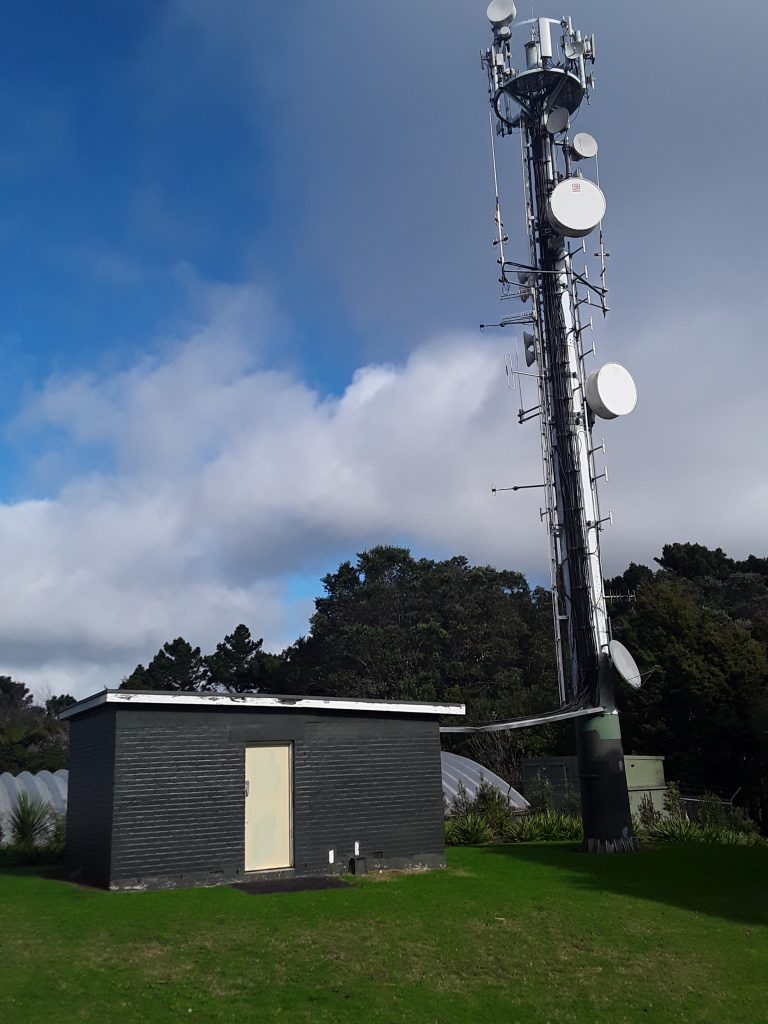
As Peter recounts all this we are climbing Pukekohe Hill, an icon of South Auckland surrounded by market gardens based on the rich volcanic soil. The tower at the summit is not a typical WISP tower. You can get there is a 2-wheel drive sedan up a public road. There’s mains power resulting from Connecta’s history as a lines company subsidiary – no need for pesky solar panels or batteries. The customer count from the tower seems massive. And like many of Connecta’s South Auckland towers there is a fibre connection. Everything feels well established, orderly and robust.
The brand was changed to Connecta in 2017 after Peter joined as GM. “The Compass brand was about cities, but we are country so we needed differentiation,” he explains.
Connecta has a firm hold on its territory. It covers the whole of the old Franklin and Rodney Council areas – east to Clevedon, north almost to the Brynderwyns, and west to the Tasman Sea. It also has a heavy presence in rural Rotorua including the Broadlands Forest, Reporoa and Waikite Valley areas.
Peter sees Connecta as different to most WISPs in that nearly all customers are on licensed spectrum in the 2.5 or 3.5 bands. This reflects the comparatively dense population compared to others, meaning that interference is more of an issue. He talks up the benefits of LTE – “its near line of sight, capable of finding multiple paths, and less prone to interference in high traffic areas.”
Most Connecta customers are using it for voice as well as Internet, due to the strong technical support from the parent company and the poor quality of the residual copper infrastructure. Connecta offers very attractive voice pricing. It also provides hosted PBX services to a number of businesses, offering a major improvement in efficiency.
“We know our customers really well,” Abilash adds. “We know their business, know where their premises are, and geography. Lots are older people who need IT support, or families – rural people are more likely than city people to need help and we are happy to work with them.”
Connecta prides itself that the average length of time a customer stays is 7 years – even those who leave the district often re-sign with parent Compass.
The small Connecta team comprises about 7 people, working within Compass with its overall count of 90. Corporate services and billing are shared but otherwise Connecta staff are able to get on with their own specialist market segment.
Connectivity is Crucial to the Gourmet Herb Business
An old fashioned industry transformed by a total commitment to IT, would be a fair description of Connecta customer Scarborough Fare.
Scarborough Fare is New Zealand’s second largest specialist grower of fresh herbs, with a 19 year history selling a wide variety of herbs into the café and restaurant market through specialist intermediaries.

“Availability and timeliness are everything in our industry,” co-owner Jeanette Rea tells us. “We only deal with the wholesale market, and we are expected to have whatever herbs the end customer needs on hand when they need it. That’s why IT is the basis of our operation.”
So much the basis that every one of the company’s 25 staff have access to the special app. It tells them when they are required at work, what to pick, what to plant, rostered days off, annual leave, and what to order. Deciding what to plant, and when, requires data imported from numerous sources.
IT is also important for compliance. The business, which is hydroponic, is required to monitor and report on native plantings to mitigate earthworks, nutrient waste disposal, and sustainability.
So the relationship with Connecta as their communications supplier is business-critical.
“We switched to Connecta about 18 months ago,” says Jeanette. “The relationship with Abilash is really important. Luckily our IT specialist came to us as a picker with IT qualifications back in the Philippines – he saw the opportunity to improve the business and works very closely with Connecta. It’s great to talk to a familiar local face when we have a request.”
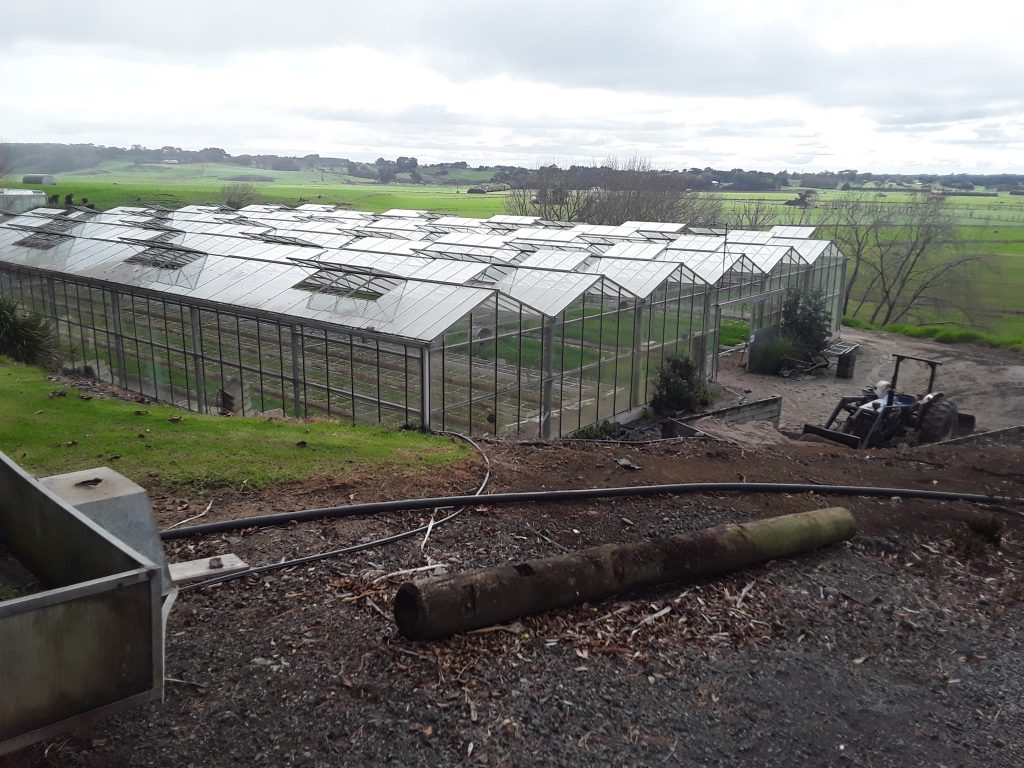
Indeed, Scarborough Fare has become so IT centric that Connecta is in the process of looking to provide an alternative backup connection for redundancy.
Next time you eat out in a classy restaurant, the chances are Connecta is part of the value chain that got the fresh herbs to them and contributed to the taste of the dish you are eating. Bon appetit!
Connecta
Beware the Risk 5g Poses to Rural Internet Users
Despite the hype surrounding Vodafone’s launch of the next cellphone technology, it risks a serious downside to thousands of rural broadband users, according to the Wireless Internet Service Providers Association (WISPA.NZ).
“Vodafone and its competitors are putting huge pressure on Government to reallocate radio spectrum so they can run 5G more cost-effectively,” WISPA Chairman Mike Smith says.
“However, some of the spectrum the mobile companies are trying to claim is already used commercially by about 30 regional WISPs, who collectively service many tens of thousands of rural customers. These customers are farms who use the Internet for business management, rural kids who use it for study, and rural people who depend on it for social inclusion. Most cant get Internet any other way.
“If the government responds to the cellphone companies’ land grab, some of those users could face more expensive Internet or even lose their hard-won connectivity altogether.
“The advantages of 5g are very much in the future. By contrast, WISPs are solving the connectivity issue for rural New Zealand here and now.
“It makes no sense to slow or reverse the progress made in connecting our major export sector, just so that some online games will work a nanosecond faster or city people can connect their home air conditioning to their car GPS. 5g’s benefits are marginal and futuristic, but basic connectivity for rural families and businesses is here, now, and economically essential.
“WISPA seeks a clear assurance from Minister Faafoi that no decision will be made to reallocate spectrum until the issues have been thoroughly aired in public.”
Don’t Waste Our Spectrum – A Message To Rural New Zealand
Spectrum Matters
A MESSAGE FROM THE WISPA-NZ PRESIDENT
Throughout rural New Zealand around 70,000 businesses and homes currently receive reliable, affordable broadband through Wireless Internet Service Providers, or WISPs. This number is increasing daily.
WISPs connect these users to the world at city speeds and prices. The regions and individuals benefit hugely through more efficient businesses, new technology, kids doing homework online, and full social inclusion.
Their broadband is enabled by radio spectrum allocated for this purpose. That spectrum is now under threat. There’s a real risk of the government reallocating some of the spectrum that WISPs are currently using efficiently for our rural customers, so the big mobile phone companies can use it for 5G – a next generation technology still under development. And despite all the hype, 5G might not come to rural areas for a decade. If ever.
New Zealand’s mobile phone companies are campaigning massively to hype up the potential of 5G. We see hundreds of TV advertisements and media articles promoting it – way before it is ready for market.
Why? Because the mobile companies want to persuade the government that spectrum that was previously allocated for rural WISP services, should now be handed over for their use. Yet they will use it predominantly, if not exclusively, for urban customers.
The mobile companies are big businesses and have immense resources which they are not hesitant to use. WISPs are tiny by comparison. Our interests, and those of our 70,000 mainly rural customers are at risk of being bowled over in the spectrum rush.
For sure, 5G will be a step forward – just as 2G, 3G and 4G have been in their day. But as history shows in New Zealand and globally, mobile phone companies focus on densely populated big cities. Rural areas come a very poor second. And the time from the talking up until the arrival of the technology in rural areas has always been way longer than the companies predict. Don’t expect to see fleets of 5G-connected driverless cars in Fairlie or Hawera any time soon.
WISPs have shown that they can, and do, connect rural areas rapidly, efficiently and affordably. Spectrum is critical to our continuing to operate.
We need your support to make sure we retain use of it.
Mike Smith
President, Wireless Internet Service Providers Association of NZ
(WISPA.NZ)
The Issue And The Trade-offs
Radio frequency allocation is a complex business. Different frequencies are used for a wide range of purposes – aeronautical and marine communications, public broadcasting, garage door openers, radio telephone systems, telecommunications, meteorology, astronomy, GPS, and your home TV remote to name a few.
The high-level decisions about what frequency is assigned for what purpose are made globally by the International Telecommunications Union of which New Zealand is a member. Equipment manufacturers and users also have a say in the umbrella global decisions.
The day to day details are the responsibility of individual countries. In our case the Minister of Communications has the final say. The detailed work is done by the Radio Spectrum Management branch of MBIE, the Ministry of Business, Innovation and Employment.
There are several categories of spectrum available to WISPs – both licensed spectrum and unlicensed or “General User” spectrum which is shared with a range of users and largely self-managed under a general set of rules. The current system works very well – in connecting our base of 70,000 customers and growing, spectrum availability has seldom been a constraint.
But the prospect of significant parts of the spectrum being transferred from WISP and related users to mobile companies is a serious threat. A threat to WISPs and also to our customers.
Every radio user – cellular, WISPs or otherwise – would like more spectrum. That’s human nature and business sense. In general, more spectrum means there is less potential for interference, so engineers have greater flexibility in how the network is planned. Less spectrum requires that networks be more tightly engineered. Sometimes a shortage of spectrum limits the number of users that can be serviced from a specific tower.
For WISPs less spectrum could mean having to either incur the cost of a whole lot of additional towers to service the current customer base, or discontinue service to some customers completely.
That’s why WISPA.NZ is calling for a lot more thought and public debate before any existing spectrum is removed from WISPs and handed, or auctioned, to cellular companies. Rural Internet is at risk.
Whose Spectrum Is It?
Many stakeholders claim a degree of ownership of radio spectrum – service providers who rely on it to deliver a service, end customers who receive a service, and the government which administers the allocation and often receives payment through licence fees or auction.
In the end spectrum is like air – a community asset. Its allocation should not be determined by the bidder with the most money to command an auction process, nor with the loudest voice to talk up services that may never come to many potential users.
It’s also crucial that spectrum is assigned with the use of the community as the prime consideration. It should not be available as a speculative asset to be traded, nor as a competitive tactic to close out smaller suppliers. In the past we have seen major companies pay large sums for blocks of spectrum which they have never used – wasting spectrum in the extreme.
WISPs stand by our track record of using spectrum responsibly, intelligently, and in the interests of the communities we serve.
A specific concern for WISPs is retention of the GURL – General User Radio Licence – which is used effectively and efficiently by most of our members. We especially call on the government to make sure there is full, well-publicised consultation before any changes are made to the GURL regulations to fit a proposed 5G rollout – that is all frequencies from 0 – 300GHz
Rural users in New Zealand have become well-served with broadband compared to many similar countries. That is giving a competitive advantage to our farmers and rural businesses, reducing the “homework divide” so that rural kids can do their homework online, and removing the disadvantage of digital isolation from tens of thousands of rural homes.
WISPA’s message to the government is that this must not be put at risk. WISPs have brought rural New Zealand out of the broadband doldrums. We are connecting hundreds more customers every week. We hope and expect to continue leading rural connectivity for many years ahead.
OUR MESSAGE:
PLEASE DON’T STOP US IN OUR TRACKS.
DON’T WASTE OUR SPECTRUM.
What Can You Do?
- Talk to influencers in your region – your MP, regional/district Council, farming organisation leaders and others to make sure they are aware of this issue.
- Make sure this debate takes place in the open, not behind closed doors.
- Check back here at wispa.nz for updated information and use the contact form to ask any questions.
- Download and share the brochure PDF
- Email wispa@wispa.nz if you would like copies of this leaflet to distribute to others.
A Mission Getting Broadband To The Haupiri Valley
Zelan – A WISP Profile by Ernie Newman
Dawn’s barely broken as Mark Kersten drives me through the Buller Gorge. Across the river an impossibly long empty coal train rumbles northeast towards Inangahua. The scenery is wild and spectacular. There’s almost no traffic.
I count down the distance to Reefton where Mark assures me the morning’s caffeine drought will be broken. So it proves, with a couple of generous sausage rolls thrown in.
The early start was essential. Zelan, Mark’s WISP, covers a large footprint – a triangle bounded by Westport, Reefton and Greymouth with spurs to Hokitika and Karamea. It will take us most of the day to get around just some of that.
Mark Kersten was a dairy farmer on the Culverdon-Reefton Road in 2001 when he took the unlikely step into wireless communications. Typical of WISPs he first organised a connection as a way to get his farm online. Friends and neighbours got hooked in, he took on some isolated customers from a Nelson-based WISP, and he suddenly had a business. At the outset he had access only to 3 ADSL connections from Snap Internet, but the growth quickly justified way more sophisticated backhaul.
Getting access to radio sites on the West Coast has unique challenges. The population density is the lowest in the country and declining, meaning the ratio of sites required to paying customers is very high. The topography is unkind. A huge proportion of the hilltops are part of the conservation estate administered by DoC who, compared to local farmers, have often been seen as voraciously greedy and challenging landlords when it comes to allowing a tower on their land.
Mark quickly realised that to get a viable business functioning his first step was to get access to several crucial high sites. These were already occupied by the local radio station, Coast FM, and because FM radio requires mains power they already had that luxury installed.
So he bought Coast FM. Just like that.
“The station’s not profitable,” he tells me, “but the losses are manageable, and the sites are invaluable.”
As I learn this history we are approaching the Haupiri-Amuri Road, a dairy area nestled under the Southern Alps. This was once the main route for people and stock between Canterbury and the West Coast before the construction of the route through Arthurs Pass. We roll up for our 9.30am appointment with Murray and Gaye Coates, with daughter Emma, to be greeted with stunning hospitality and an incredible story about persistence in getting, losing, and re-getting connectivity.
Broadband – now you see it, now you don’t
Early on, government funding was given to the Gloriavale Christian Community through their subsidiary Haupiri Net to develop broadband that would service themselves, their businesses and the surrounding district.
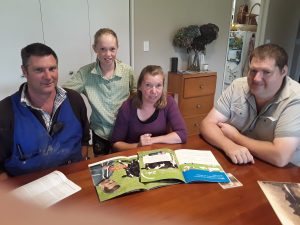
Most households adopted it with enthusiasm. The Coates family were among them. They’re technology savvy and very engaged in current and future uses of technology on the farm.
But the history of connectivity in the Haupiri Valley is complex and several years later, for whatever reason, the broadband disappeared.
I’ve listened to many farmers complain about not getting broadband, but this is the first time I’ve dealt with one who has had it, embraced it fully, then had it taken away! The frustration is massive.
Worse, with the local school fibred through the Rural Schools Project the Haupiri residents were down to a decrepit landline system with a radio link incapable of use for any kind of data traffic.
The Coates’ – Gaye especially – embarked on a lengthy political campaign to restore a service that had become essential. “For a year she worked almost full time trying to get the broadband back,” Murray recalls.
They asked numerous government agencies – “is there a way we can pay to hook into the taxpayer-funded line into Gloriavale School?” Local MP Damien O’Connor and then Communications Minister Amy Adams were involved, but nobody offered a solution.
They approached Chorus with a view to sharing the cost of some infrastructure. The cost was prohibitive – $3000 a month to hook the farm infrastructure to theirs. They looked at fibre to Kopara Village with wireless the rest of the way, but the costing came out in 6 digits. Fibre over power poles was impracticable at that time.
Meanwhile the Coates’s were regularly driving an hour each way to do their basic online bookwork in the Greymouth public library.
Then the miracle occurred. With the help of MBIE official Robert Clarke they found Mark Kersten and Zelan. In a short time they had their wireless connection. The quality is excellent. They even have voice services across the Zelan network, although this is on a “best efforts” basis and the quality sometimes falls off at peak times.
So the Coates farm is now back at full speed using Internet-based on-farm systems. They’re using precision application of fertiliser, reducing wastage and environmental damage with the potential to report direct to the regional council. Their herd management system and technology in the milking shed requires them regularly to connect via Internet to Israel and Australia for support. Murray’s keen now on further automation including an Israeli application that monitors mating cow by cow and gives the farm workers a lot more leisure time in the mating season, which will require solar repeaters across the farm connecting to the Internet of Things.
Back on the road
We could have spent the rest of the day with the hospitable Coates family learning about their farm. But we retrace our steps towards Greymouth, detouring at Stillwater for a dizzying climb up an impressively asphalted road to the summit of Sewell Peak.
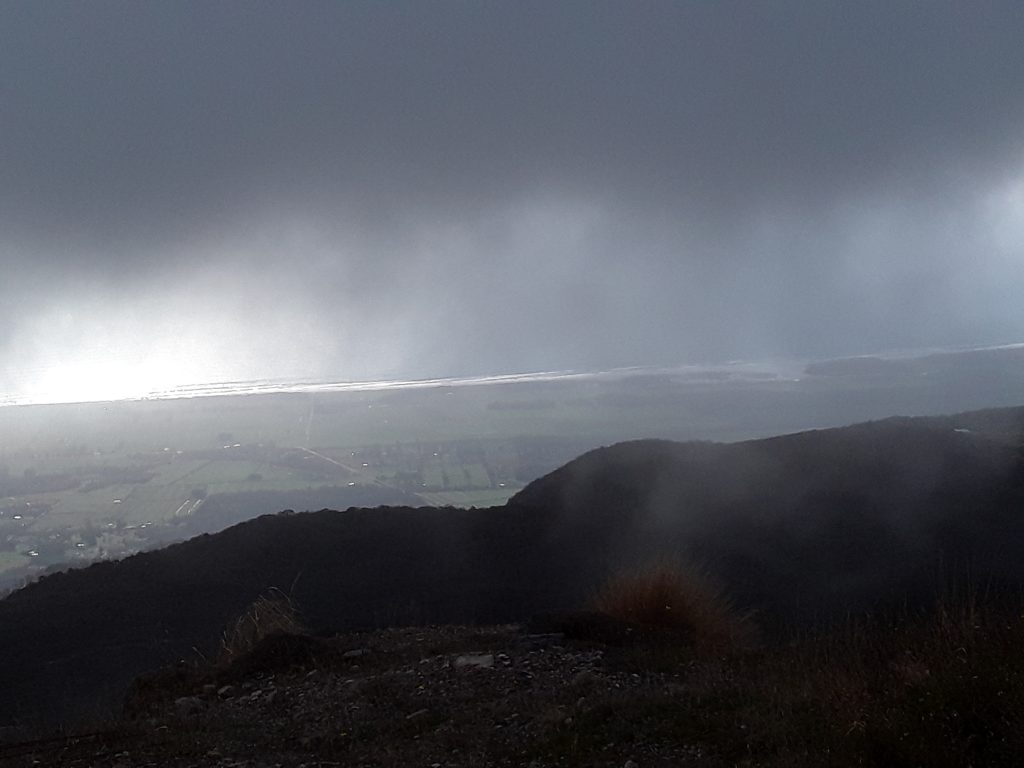
The site Zelan shares with Coast Radio and others is robustly engineered to withstand huge winds coming straight off the Tasman – fierce enough to strip the galvanising off the metal components. There are close to 20 dishes, one bringing the signal in from Greymouth and the rest disseminating it all over Westland. Straight below Greymouth, appears briefly through gaps in the swirling cloud.
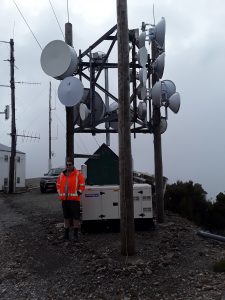
I lean back into the gale to take photos, aware that if it suddenly stops I’m likely to do an 830 metre backflip all the way to the ocean.
Then we head back down the 5km access road towards Stillwater, turn north, and head back towards Westport via the wild and stunning coastline, including spectacular Punakaiki where a zillion tourists are admiring the pancake rocks.
Zelan has successfully tendered to install rural broadband to 380 new end users – many of them along this coast. That will about double the size of the business. Mark points out to me the places where he is contractually required to connect, and an even greater number that seem to have escaped the tender process but clearly have a need. Its going to be a challenge with homes jammed between a sheer mountain range to the east and the coastline to the west. “The best places to put sites would be on rocks out to sea but I don’t think DoC would allow that,” he jokes wryly. “I’ve had to budget a huge amount for helicopters!” But I take his point about the challenge.
As we near Westport I realise the day is not quite over. Mark has saved the most spectacular climb until last – a drive to another key site on the summit of 1040m Mount Rochfort.
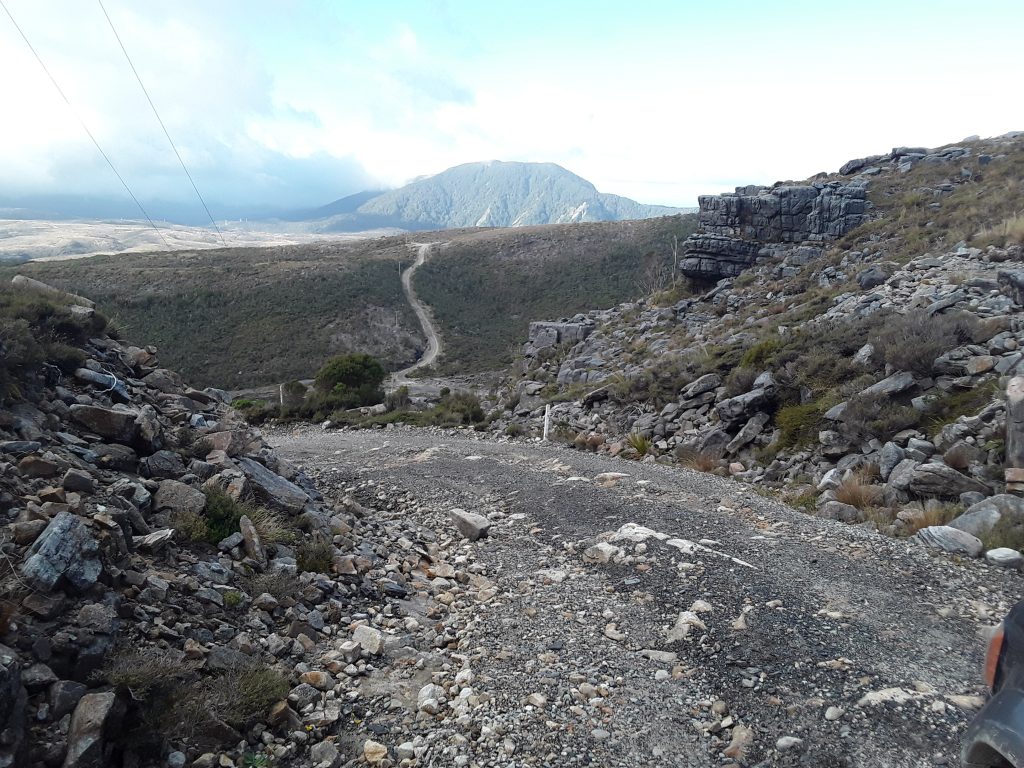
The climb up the gravel road seems endless – at one point it rises 400m in 5 kilometres. But Westlanders are known to be hardy – we overtake a local policewoman on her daily run to the summit. There we find another super-sturdy tower, again complete with mains power, solid and secure battery backup, and coverage across a vast but lightly populated area.
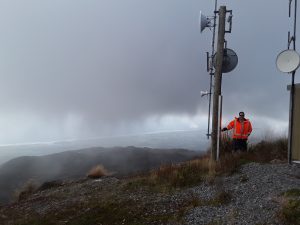
So Zelan stands alone among WISPs. A couple of key sites so crucial that getting access involved buying a radio station. The added advantage of mains power on these. Around 50 end users on each. Everywhere else a very high ratio of repeaters to serve scattered customers making the economics challenging.
But in the end, key users like the Coates family are the winners.
Zelan has been a low-profile WISP. It was one of the last to join WISPA. But its role on the rugged Coast is critical. With a substantial RBI2 contract ahead and the credibility that gives, you’d expect it to be around as a key element of the Coast infrastructure for many years ahead.